Google Trends Shows How India Travels in 2026. What Travel Brands Should Do
Google India published Google Trends travel data on 23 November 2026. Searches for wellness travel, one-day trips, pet friendly hotels and solo travel are rising fast. Here is what hotels, homestays and travel brands should do with it.
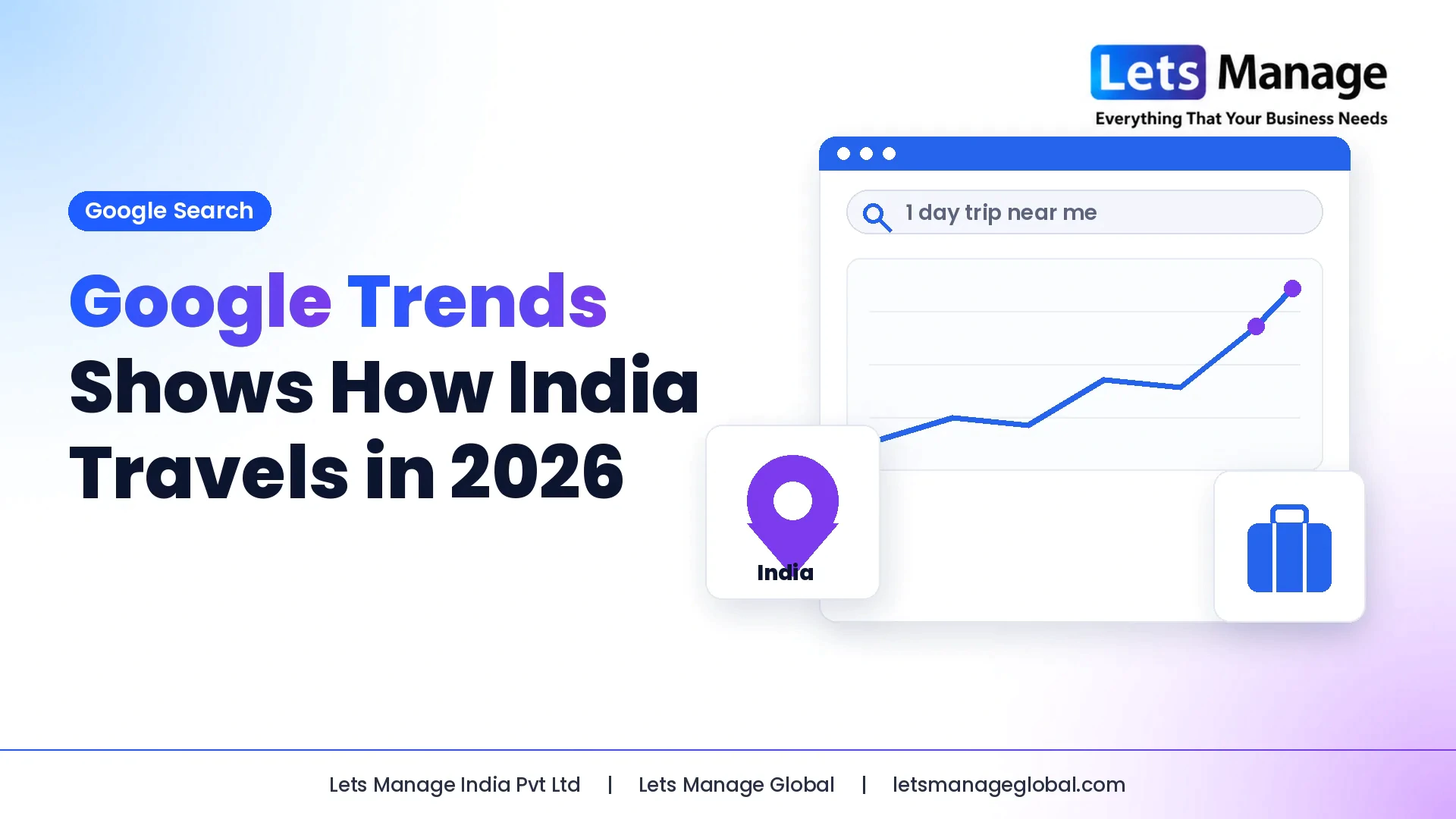
In brief. On 23 November 2026 Google India shared Google Trends data showing that travellers in India are planning around experiences, micro-trips and solo travel. Searches for wellness travel india rose 1,600%, 1 day trip near me rose 130% over the past year, and solo travel queries became breakout terms. Travel and hospitality brands should build pages and listings for these searches.
What did Google publish?
On 23 November 2026 the Google India team published Experiential, Micro-Trips, and Solo. Google Trends reveal India's travel style in 2026, a look at how people in India searched for travel this year. The headline finding is simple. Travellers are moving away from fixed sightseeing checklists and planning trips around experiences, short escapes and solo journeys.
This is not a product launch or a ranking change. It is first-party search demand data from Google, and for anyone who sells travel, stays or experiences in India, it is one of the clearest public signals of what customers are typing into the search box right now.
The numbers Google shared
Google grouped the data into three themes. The figures below are the ones in Google's post, and we have not added any of our own.
Experiences first. "Hiking trails near me" and "music festival travel" were breakout queries. Searches for "hidden gems india" rose 400%. Wellness is a big part of this shift, with "wellness travel india" up 1,600%, "fitness trip" up 950% and "silent retreat" up 150%, while "what is slow travel" became a breakout query.
Micro-trips. "Weekend getaways near me" and "long weekend travel" remain high interest, but searches for "1 day trip near me" jumped 130% over the past year, with Maharashtra leading national interest. Stays are getting more specific too. Google says "best pet friendly hotels", "affordable homestay" and "family friendly destinations" gained significant search traction this year.
Solo, but social. "Solo travel guide", "best places to travel solo" and "solo travel cost india" all emerged as breakout queries. At the same time, searches for "travel community" rose 400%, which suggests solo travellers still want to meet like-minded people on the way.
One more figure matters for marketers. Google says searches for "AI for Travel" jumped 600% over the past year.
What "breakout" means
"Breakout" is a specific Google Trends label, not marketing language. According to Google Trends Help, a rising search shows "Breakout" instead of a percentage when the term grew by more than 5000% compared with the previous period. In plain terms, these are queries that barely existed as a category before and now have real volume behind them. They are often the queries where competition is thinnest, because many brands have not written for them yet.
AI tools are now part of trip planning
The second half of Google's post is about how people plan once they are inspired. Google points travellers to three tools. In AI Mode in Google Search, a person can upload a screenshot of a café, trail or destination they saw on their feed and ask for help planning a trip. In the Gemini app, Personal Intelligence can use Connected Apps such as Gmail, YouTube and Google Photos to suggest a personalised itinerary. And once travellers arrive, Ask Maps handles conversational requests, such as a well-rated traditional lunch spot along the route to a hotel.
For a business, the practical point is that more of the first shortlist can now come from Google's AI tools, built from what they can read about you. A homestay with no clear description of who it suits, no photos and no reviews that mention the experience gives these tools very little to work with. We covered how Ask Maps is changing local discovery in our earlier news on Ask Maps finding appointments and calling businesses.
Who this affects
The data is about searches in India, so it matters most to Indian hotels, homestays, resorts, wellness retreats, adventure and trekking operators, event and festival organisers, travel agents and tour companies. It also matters to brands outside travel that sell into these trips, such as outdoor gear, fitness, pet care and luggage businesses. International hotels and tourism boards that target Indian travellers can use the same signals, since they show how Indian customers phrase what they want.
What businesses should do now
1. Build pages for the queries Google named. If you run a property near a city, a page about one-day trips or weekend escapes from that city answers the exact intent behind "1 day trip near me". Retreats can write honestly about wellness, silence and slow travel instead of generic luxury copy.
2. Say clearly who your stay suits. Pet friendly, family friendly, solo friendly and budget homestay are now search terms in their own right. Put the facts on your website, in your Google Business Profile attributes and in your booking listings, and only claim what is true.
3. Feed the AI tools good material. Real photos of the place, accurate hours, a clear location and reviews that describe the experience all help Google's AI understand what you offer. Ask happy guests to mention what they actually did.
4. Plan content around experiences and events. Trail guides, festival travel tips and hidden local spots near your property are useful to travellers and give you search pages that brochures never earn.
5. Speak to solo travellers and communities. Group departures, shared tables, community trips and clear cost guides answer both the solo and the community searches Google highlighted.
6. Check your own data before you rewrite everything. Use Google Trends for your region and your Search Console queries to confirm which of these themes your own customers are searching for.
Our view
Trend reports are easy to read and easy to forget. This one is worth acting on because it comes straight from Google and points to specific, low-competition queries in a market where many travel businesses still rely on aggregators. The brands that gain will be the ones that describe real experiences clearly, keep their listings accurate and publish helpful pages before the rest of the market catches up.
Our SEO team works with travel, hospitality and local brands in India and abroad on search content, Google Business Profile and visibility in AI search. If you would like a plan built around these queries, talk to us.
What to do now
These quick steps help travel and hospitality brands act on Google's 2026 India travel data.
-
Build micro-trip pages.
Write one-day and weekend trip pages for the cities near your property.
-
State who you suit.
Add true pet friendly, family friendly and solo friendly details to your site and listings.
-
Refresh your Google Business Profile.
Keep photos, hours, attributes and booking links accurate.
-
Collect experience reviews.
Ask guests to describe what they actually did and enjoyed.
-
Publish experience content.
Cover nearby trails, festivals and hidden local spots.
-
Check your own data.
Confirm the themes in Google Trends and Search Console for your region first.
Questions and answers
What did Google publish on 23 November 2026?
The Google India team published Google Trends data on how people in India searched for travel in 2026. It groups the findings into experiences, micro-trips and solo travel.
Which travel searches grew the most?
Google says wellness travel india rose 1,600%, fitness trip rose 950%, hidden gems india and travel community each rose 400%, and silent retreat rose 150%. Searches for 1 day trip near me rose 130% over the past year.
What does breakout mean in Google Trends?
Google Trends Help says a rising search shows Breakout instead of a percentage when the term grew by more than 5000% compared with the previous period.
Is this a Google ranking update?
No. It is search trend data published by Google India. It does not change how Google ranks pages.
Which businesses should act on this?
Hotels, homestays, resorts, wellness retreats, adventure and tour operators, event organisers and travel agents that serve Indian travellers, plus brands that sell into these trips.
How do AI tools fit in?
Google points travellers to AI Mode in Search for planning from a screenshot, Gemini with Connected Apps for a personalised itinerary, and Ask Maps for conversational requests on the go.
Sources
- Google India Blog, Experiential, Micro-Trips, and Solo. Google Trends reveal India's travel style in 2026, 23 November 2026
- Google Trends Help, Find related searches, Checked 23 November 2026
Checked by the Lets Manage Global team. Last updated 23 Nov 2026.