
The Journal
Ideas that shape
tomorrow's
design.
Dive into a curated collection of essays, insights, and stories exploring the intersection of design, technology, and human experience.

Latest
What Is Answer Engine Optimization (AEO) and Why Every Business Needs It Before 2027
Answer Engine Optimization (AEO) is the practice of structuring a business's content and data so that AI systems like ChatGPT, Gemini, Perplexity, and Google's AI Overviews can accurately find, understand, and cite that business when answering a user's question directly, rather than only sending a list of blue links.
Local SEO Checklist 2026: How Small Businesses Can Rank in the Google Map Pack
Ranking in Google's local Map Pack in 2026 depends primarily on three factors working together: a fully optimized and active Google Business Profile, a steady stream of genuine, recent reviews, and consistent business information (name, address, phone number) across the web, alongside a website that reinforces local relevance through location specific content.
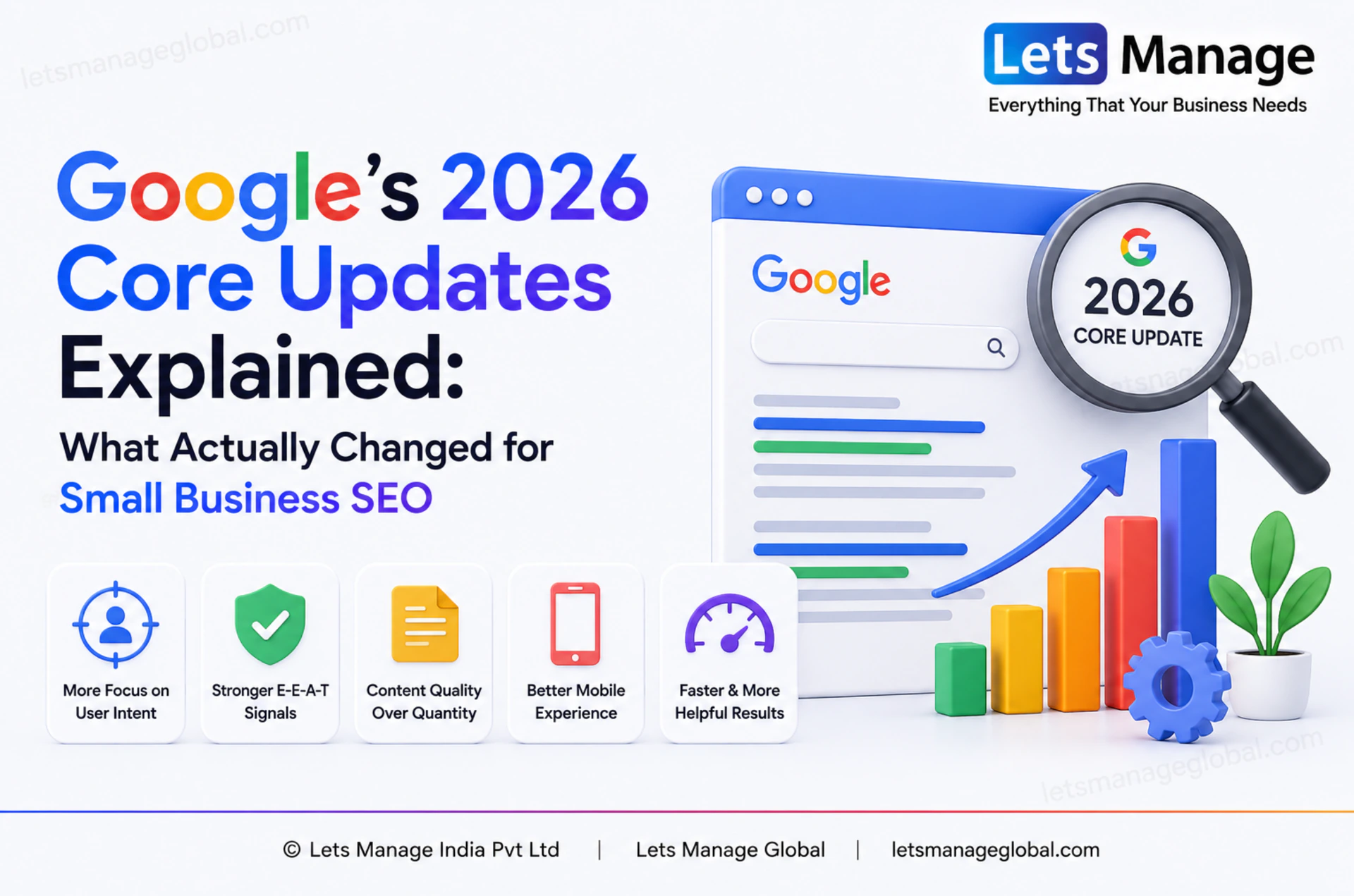
Google's 2026 Core Updates Explained: What Actually Changed for Small Business SEO
Google's 2026 core updates continue to reward genuinely helpful, experience backed content and technically sound, fast loading websites, while further reducing visibility for thin, generic, or AI generated content with no real expertise or original insight behind it. Small businesses that publish specific, experience based content and maintain solid technical health are the ones seeing traffic stabilize or grow.
Google Ads vs Meta Ads in 2026: Where Should Your First Rs 50,000 Marketing Budget Go
Google Ads generally wins for businesses selling to people already searching for a solution (high intent, often B2B or service based purchases), while Meta Ads generally wins for businesses that need to create demand or desire for a product people were not actively searching for (impulse, lifestyle, and visual D2C products). Most growing businesses eventually need both, but the first budget should follow buyer intent, not platform trend.
Instagram Algorithm Changes 2026: What Business Owners Need to Know Before Boosting Another Post
Instagram's 2026 ranking signals continue to prioritize watch time, shares to direct message and stories, and content originality over follower count or posting frequency, which means boosting a low performing post rarely fixes the underlying content problem, it only pays to show more people something that was not working organically in the first place.
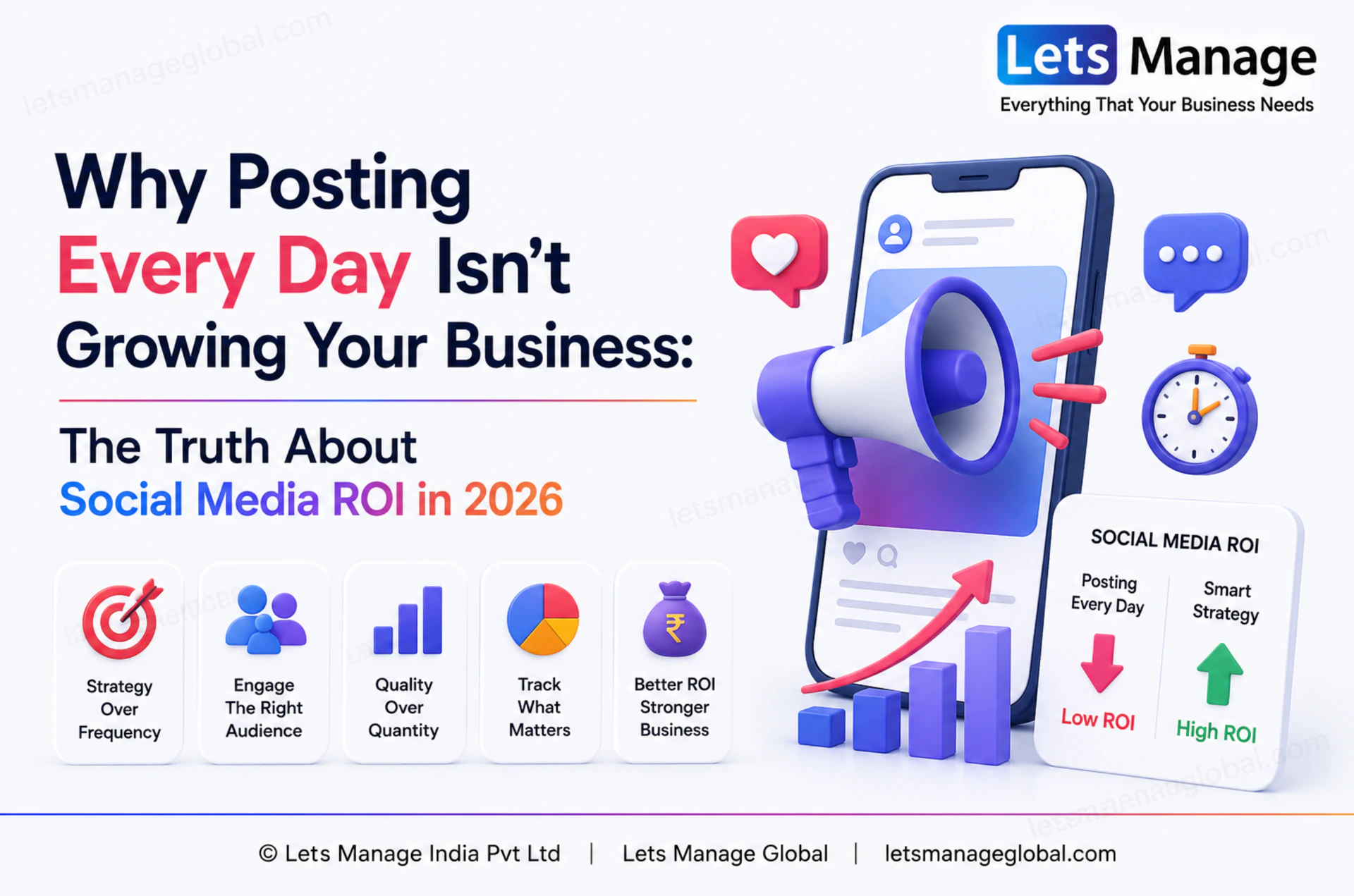
Why Posting Every Day Isn't Growing Your Business: The Truth About Social Media ROI in 2026
Posting frequency has almost no direct relationship with revenue. Social media ROI comes from content built around a specific audience action (save, share, message, click), consistent brand positioning, and paid amplification behind proven organic content, not from volume of posts alone.

Packaging Design That Sells: A 2026 Guide for D2C and FMCG Brands
Packaging that sells is not primarily about looking beautiful, it is about winning the three second shelf decision: standing out in category color context, communicating the core benefit instantly, and building enough visual trust for a first time buyer to choose it over a familiar competitor.
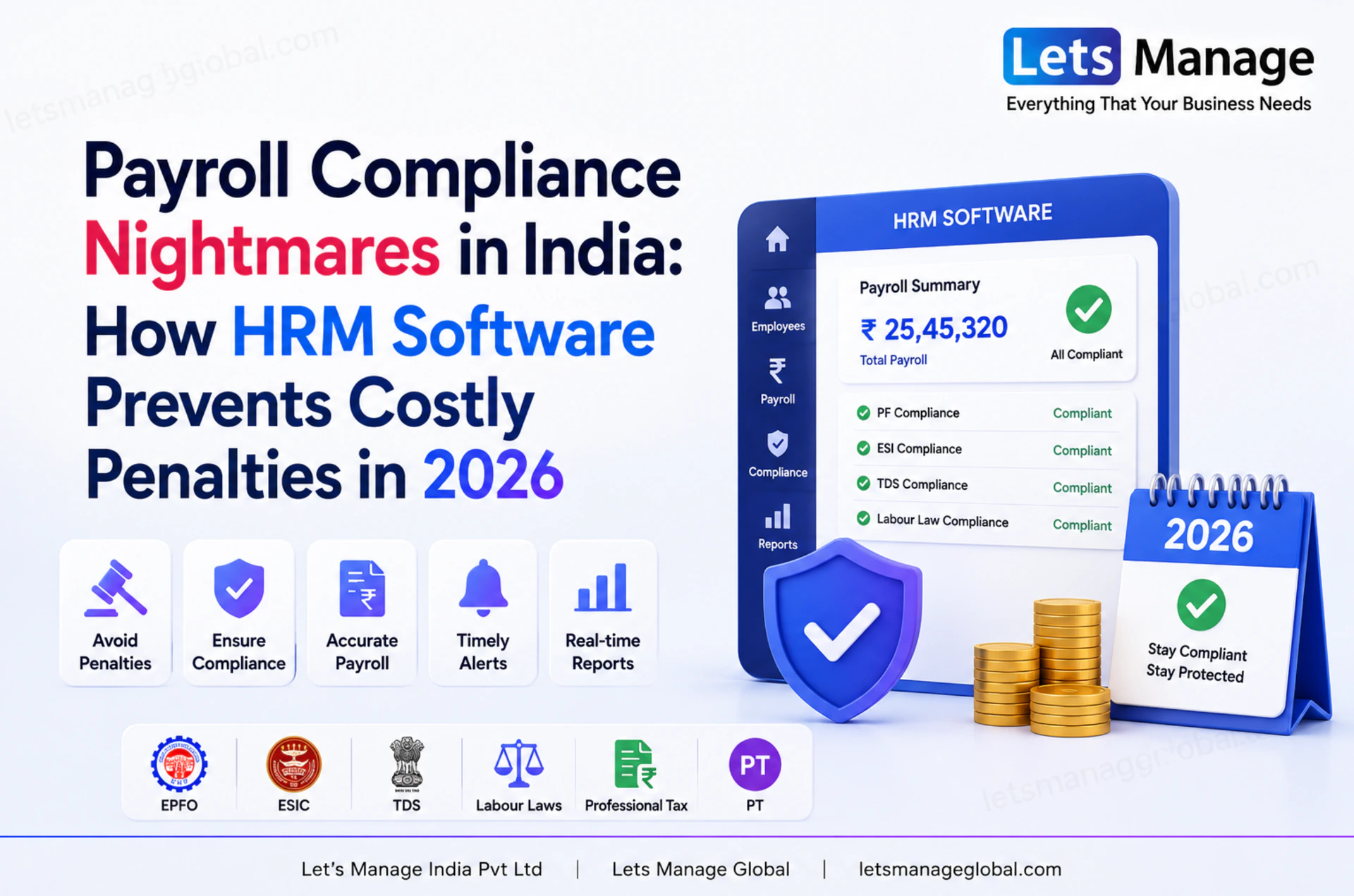
Payroll Compliance Nightmares in India: How HRM Software Prevents Costly Penalties in 2026
Manual payroll processing in spreadsheets is one of the most common sources of compliance risk for growing Indian businesses, because PF, ESI, professional tax, and TDS rules change periodically and a single missed update or manual entry error can trigger penalties, interest, and in repeated cases, audit scrutiny. HRM software automates these calculations and filing timelines, removing the manual error window entirely.
How Much Does It Cost to Build a Mobile App in India in 2026 (Full Cost Breakdown)
A simple MVP app in India typically costs Rs 3,00,000 to Rs 8,00,000, a mid complexity app with payments and real time features costs Rs 8,00,000 to Rs 20,00,000, and enterprise grade or marketplace apps can exceed Rs 25,00,000, before ongoing maintenance.
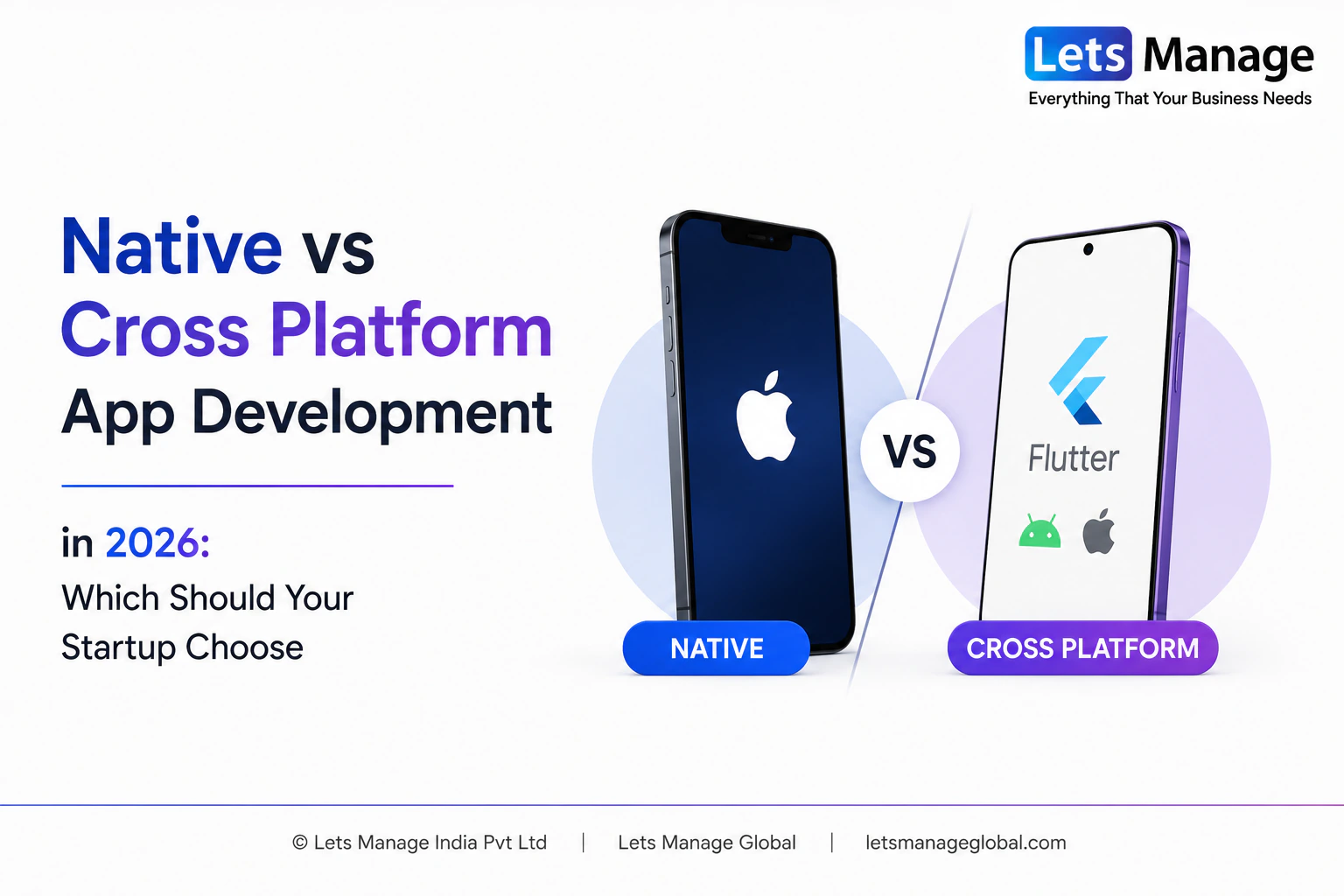
Native vs Cross Platform App Development in 2026: Which Should Your Startup Choose
Native apps (built separately for iOS and Android) offer the best performance and platform specific features, while cross platform apps (built once using frameworks like Flutter) launch faster and cost less, and are the right default for most startups validating a new product.
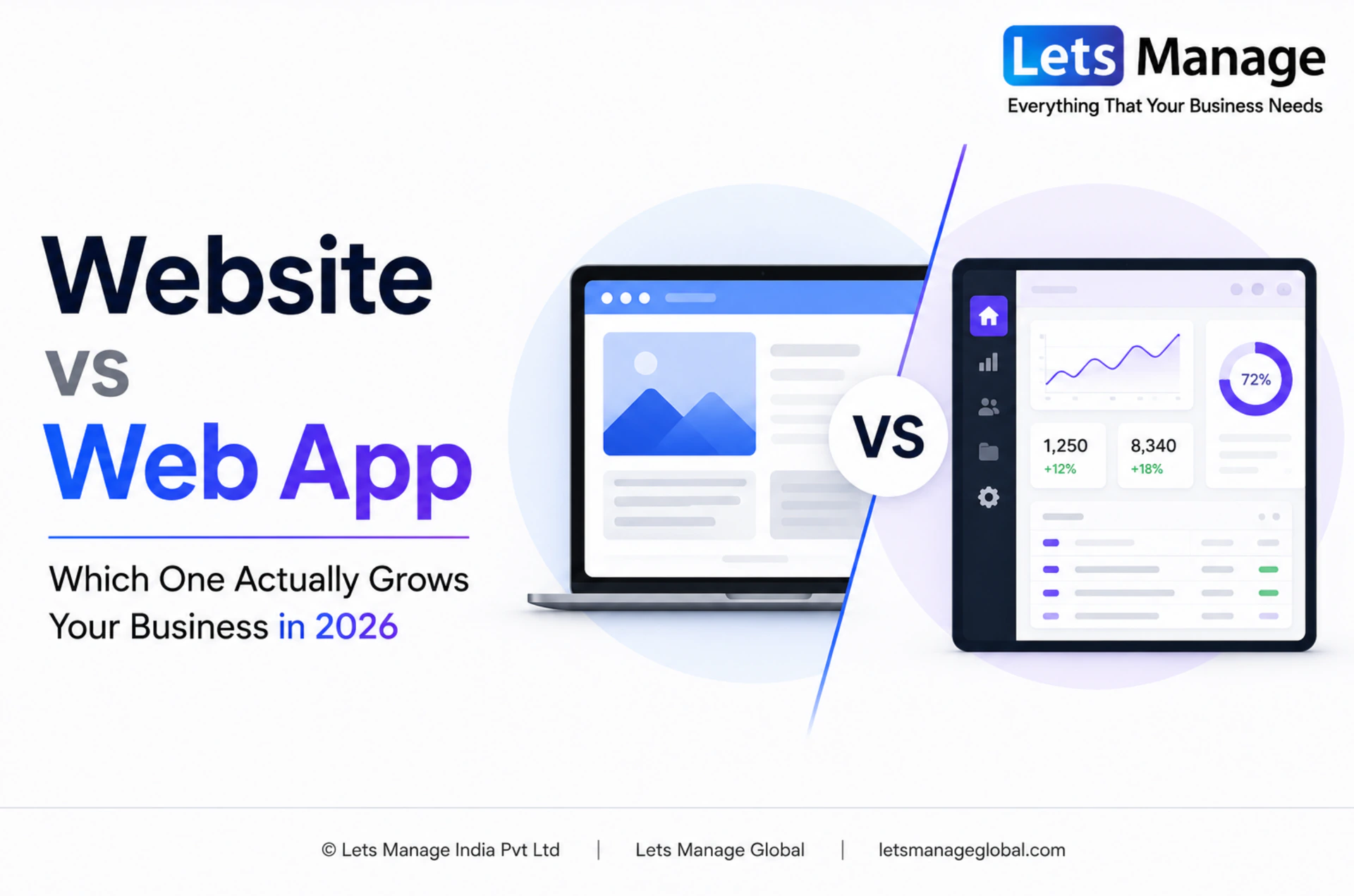
Website vs Web App: Which One Actually Grows Your Business in 2026
A website exists to inform and convert visitors (leads, sales, bookings), while a web application exists to run part of your operations (logins, dashboards, scheduling, data). Most businesses need a website first and a web application only once repeatable operational tasks start happening online.
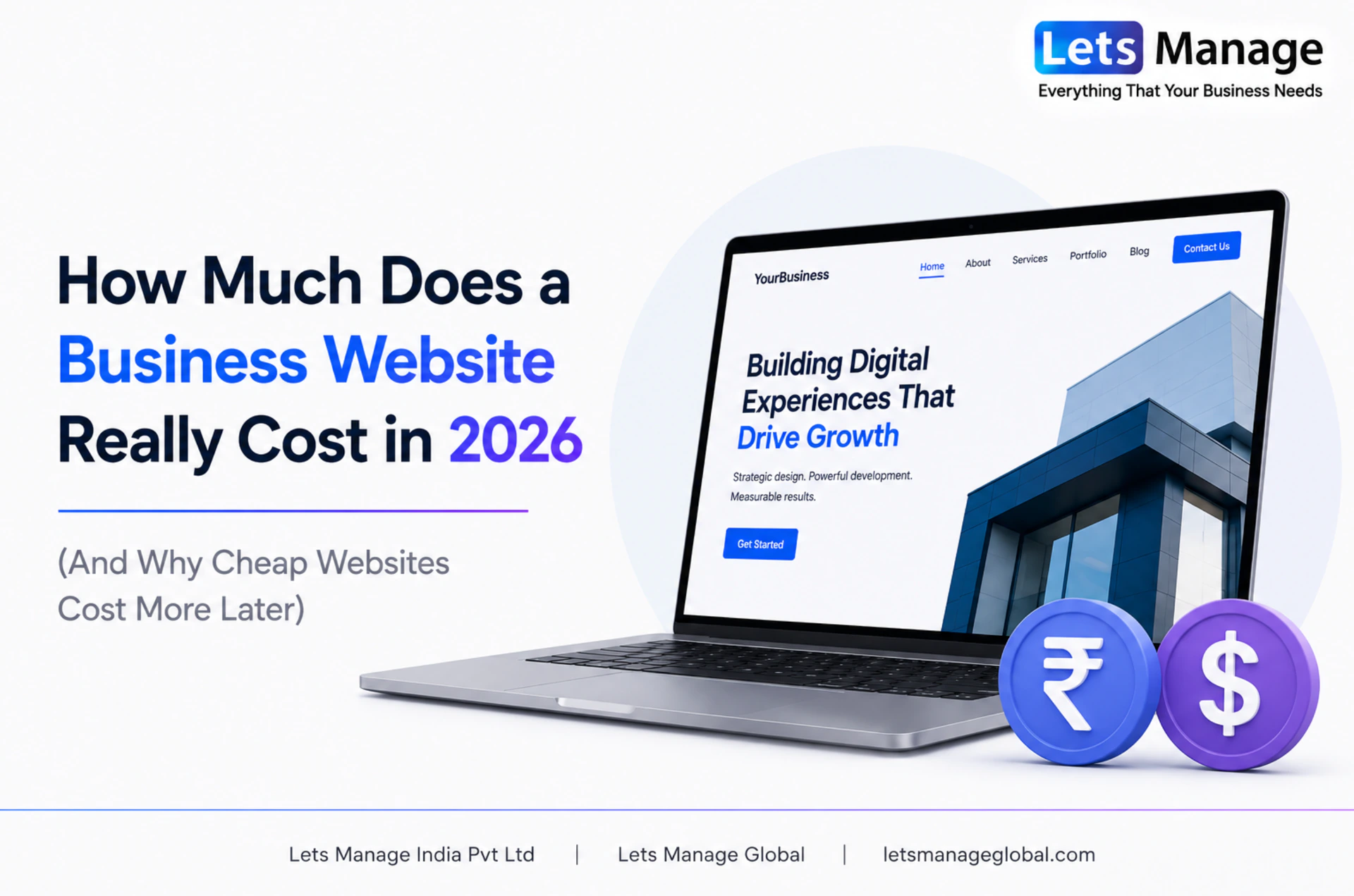
How Much Does a Business Website Really Cost in 2026 (And Why Cheap Websites Cost More Later)
A functional small business website in 2026 typically costs between Rs 25,000 and Rs 1,50,000 depending on complexity, while a custom web application or a multi vendor marketplace can run from Rs 3,00,000 upward. The real cost driver is not design, it is the engineering, hosting, and SEO foundation underneath it.
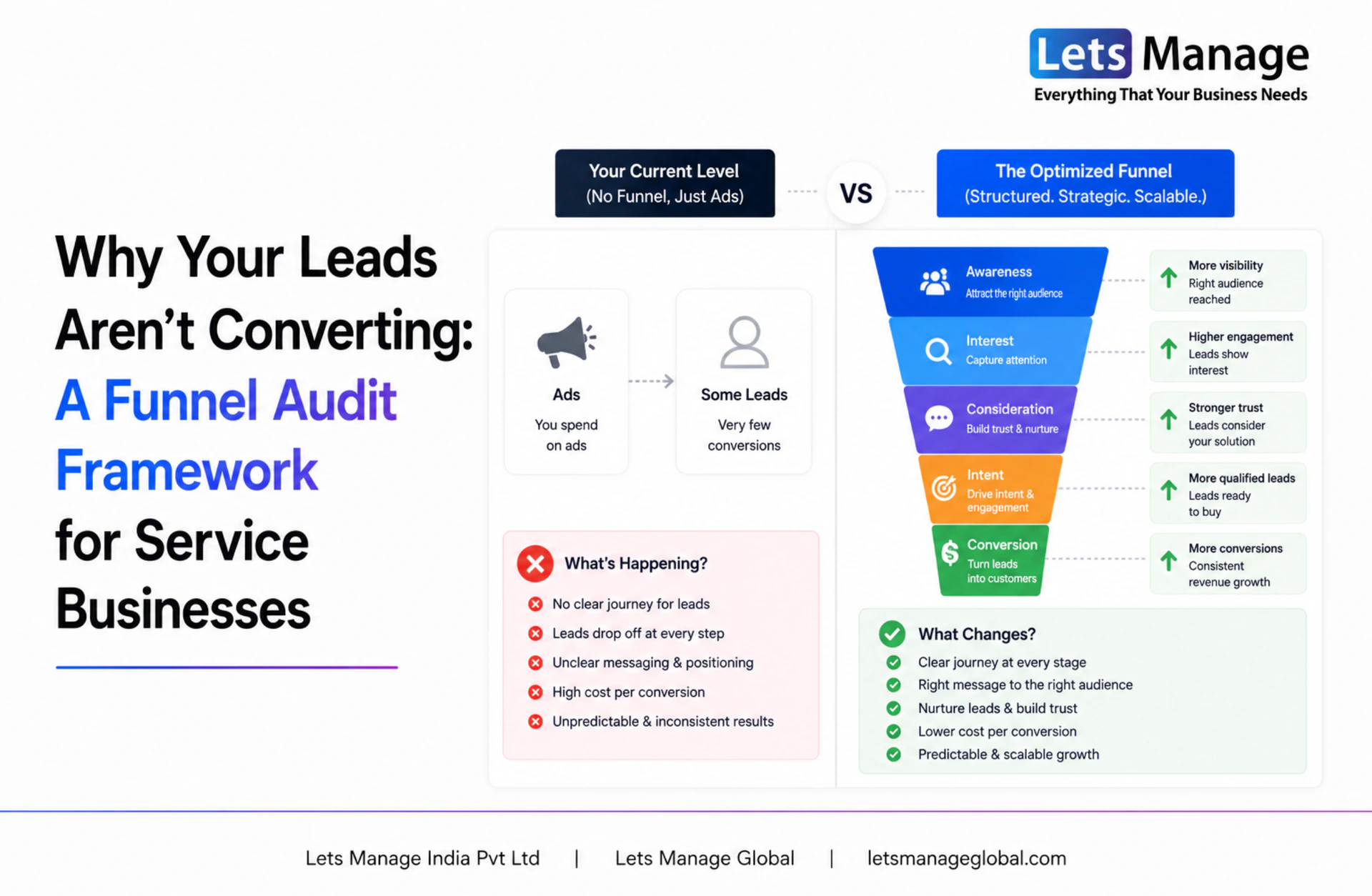
Why Your Leads Aren't Converting: A Funnel Audit Framework for Service Businesses
When leads arrive but do not convert, the problem is almost always in one of four places: unclear or mismatched ad targeting, a landing page that does not match the ad's promise, slow or inconsistent follow up, and a sales process that does not address the specific objection that stage of customer has. The fastest way to find the leak is to audit the funnel stage by stage, not to simply "add more leads."
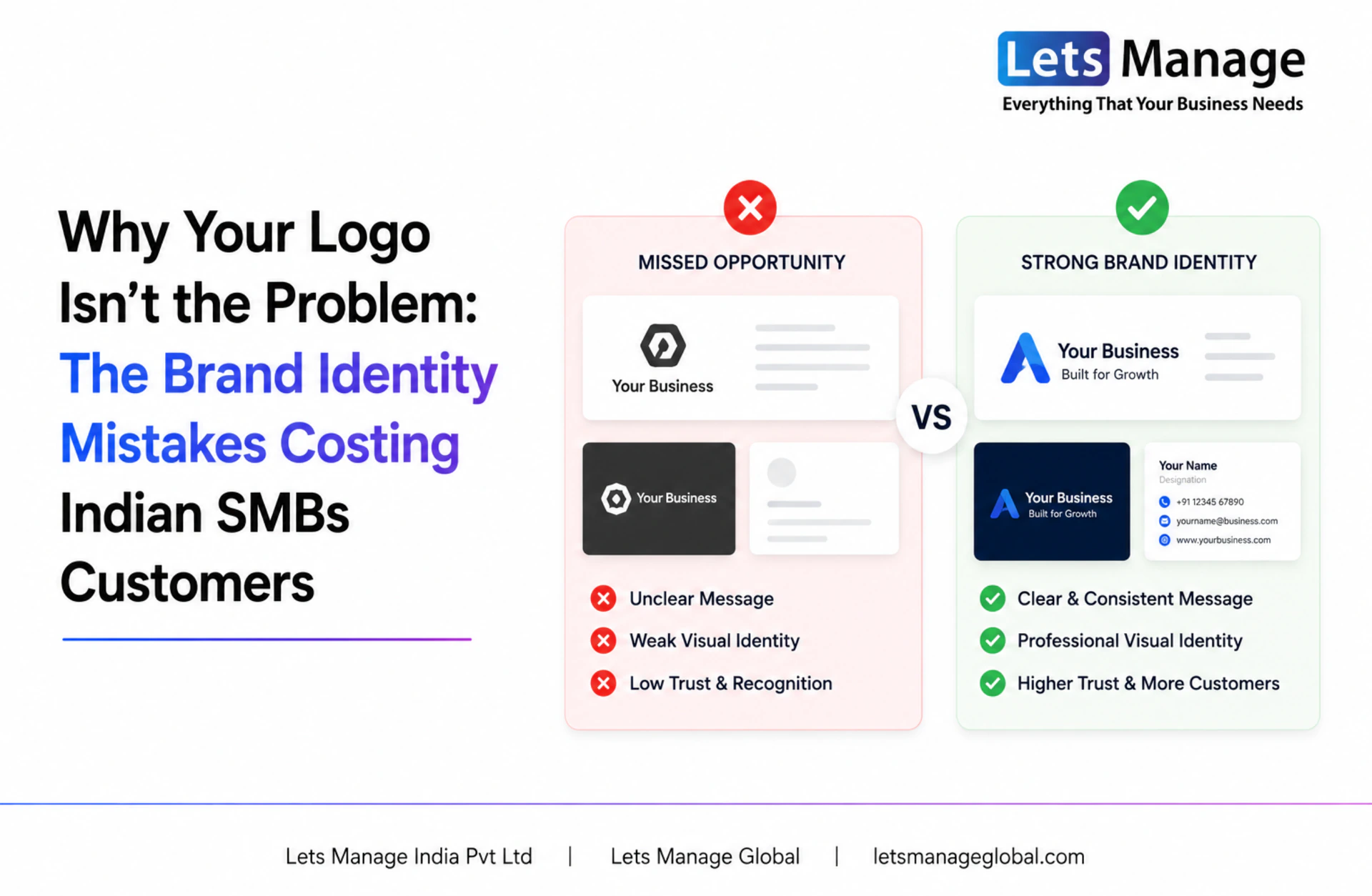
Why Your Logo Isn't the Problem: The Brand Identity Mistakes Costing Indian SMBs Customers
Most businesses that feel their branding "isn't working" do not have a logo problem, they have a consistency problem: different fonts, colors, and tones across their website, packaging, and social media, which quietly signals amateur and unreliable to customers before a single word is read.
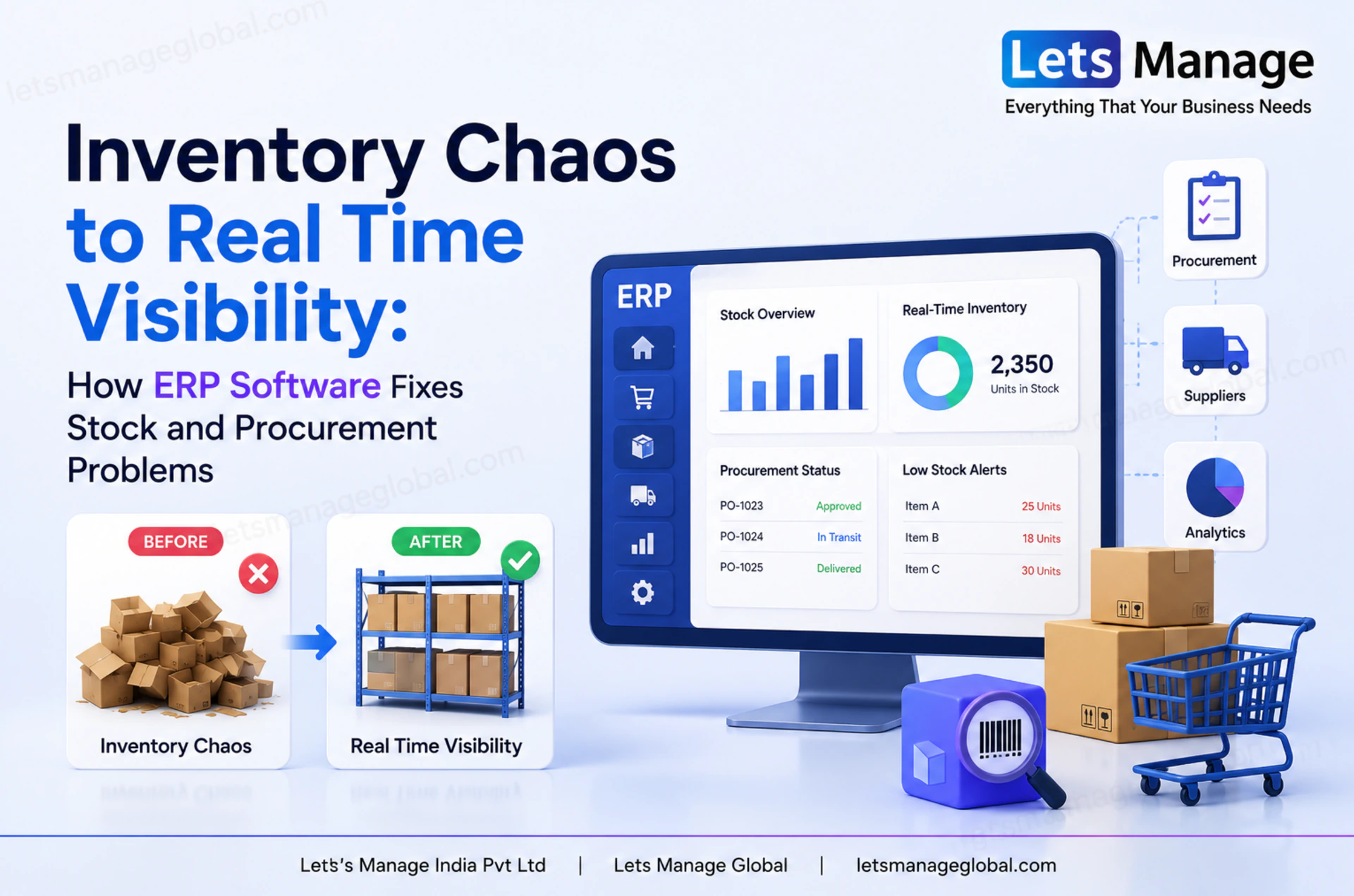
Inventory Chaos to Real Time Visibility: How ERP Software Fixes Stock and Procurement Problems
Most stockout and overstocking problems come from a simple root cause: nobody in the business has real time visibility of accurate stock levels across locations. ERP inventory modules fix this by tying every stock movement, purchase order, and sale to a single live record instead of scattered registers and spreadsheets.
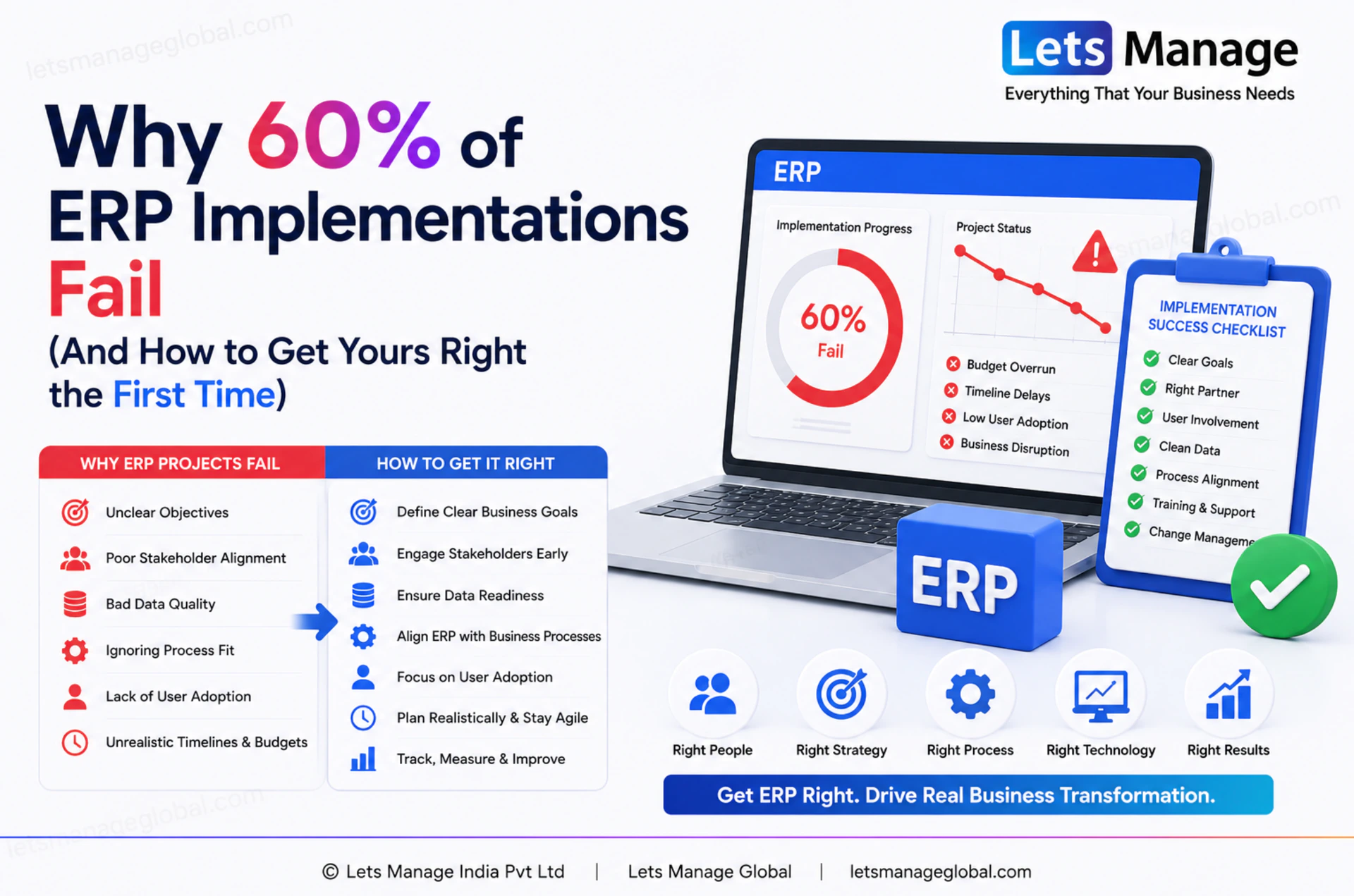
Why 60 Percent of ERP Implementations Fail (And How to Get Yours Right the First Time)
ERP implementations most commonly fail not because of the software itself, but because of unclear process mapping before development, poor staff adoption, and generic systems forced onto a business process they were never designed for. Getting the process mapping and change management right before writing any code is the single biggest predictor of ERP success.
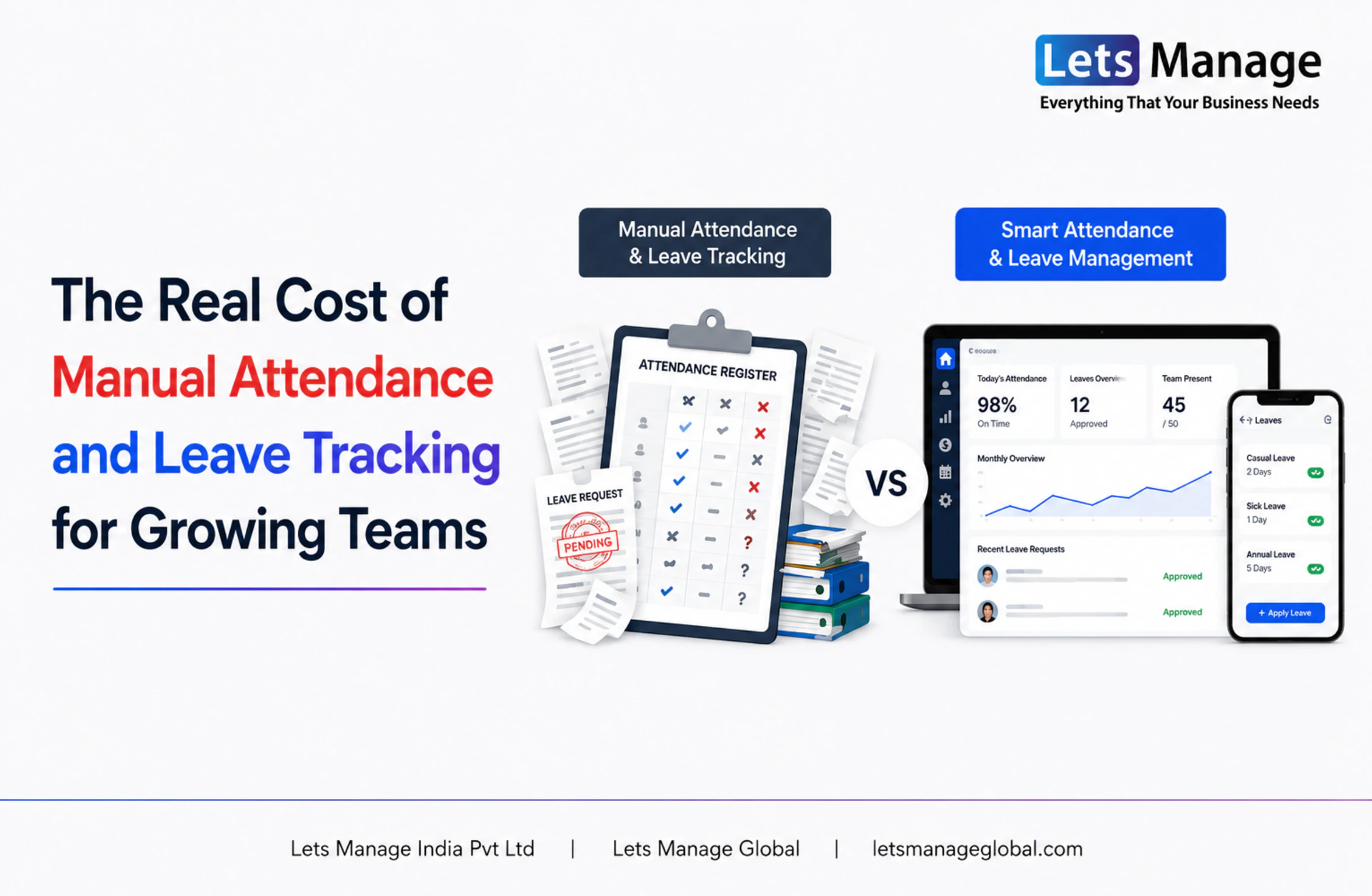
The Real Cost of Manual Attendance and Leave Tracking for Growing Teams
Manual attendance and leave tracking costs growing businesses far more than the time spent filling registers. It creates payroll disputes, unplanned staffing gaps, and hours of monthly reconciliation work that automated HRM systems eliminate almost entirely.
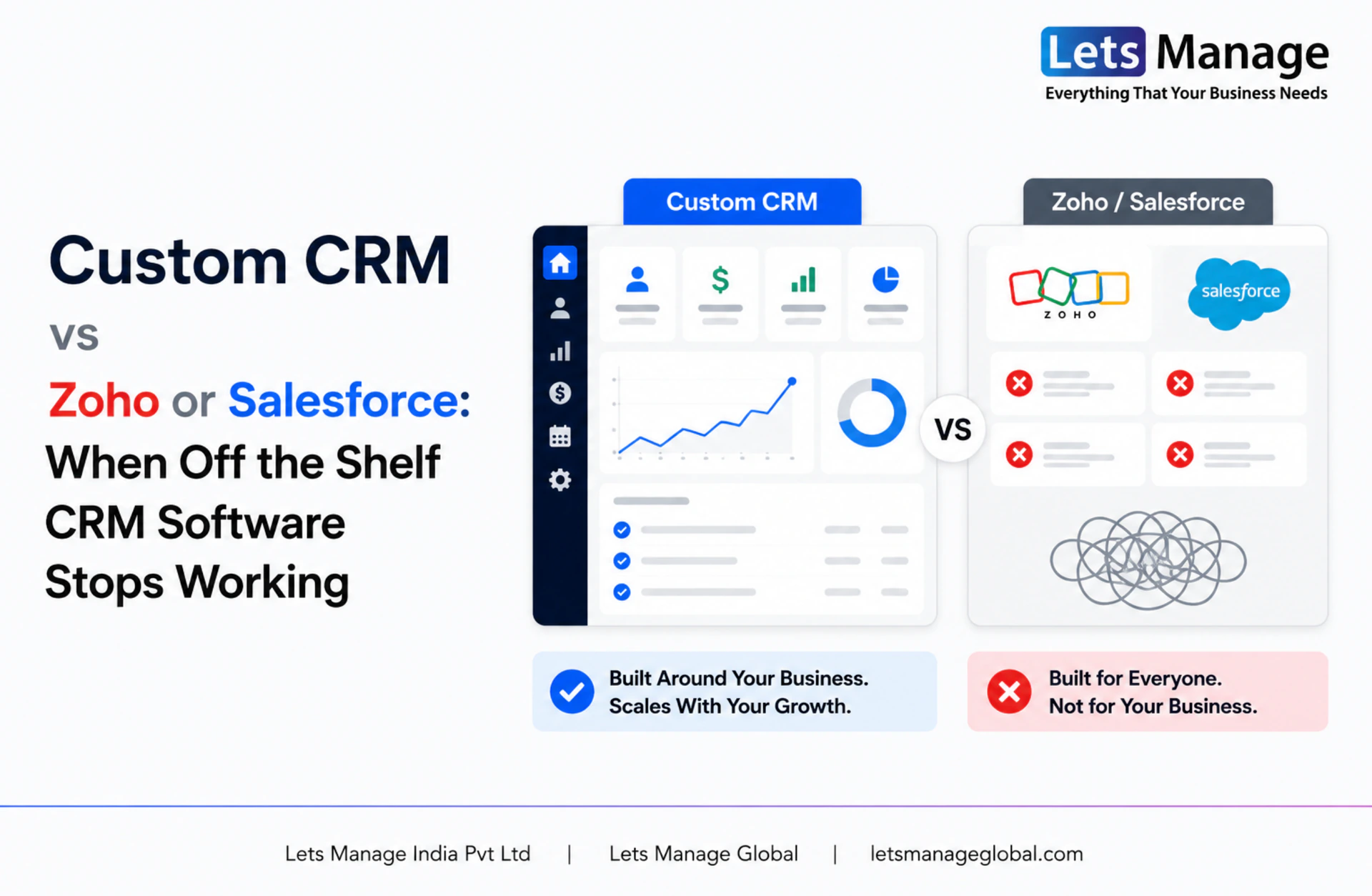
Custom CRM vs Zoho or Salesforce: When Off the Shelf CRM Software Stops Working
Off the shelf CRM platforms are the right starting point for most small teams because they are fast to deploy and low cost. A custom CRM becomes the better investment once a business has a unique sales process, needs deep integration with existing systems (ERP, HRM, industry specific tools), or is paying for licensed features it never uses.
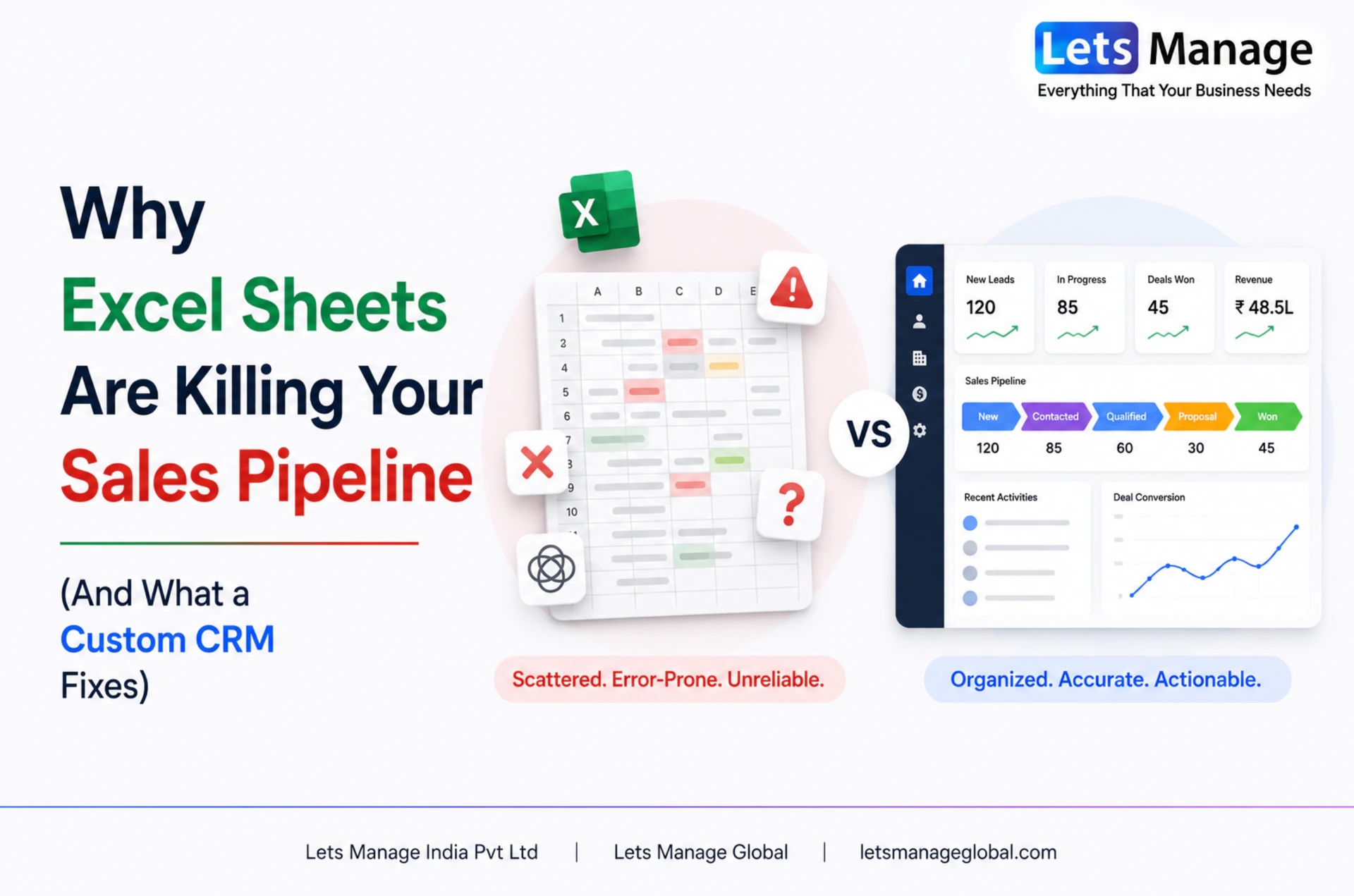
Why Excel Sheets Are Killing Your Sales Pipeline (And What a Custom CRM Fixes)
Excel and WhatsApp work fine for a handful of leads a month. Once a business crosses roughly 40 to 50 active leads at a time across multiple team members, manual tracking starts silently losing deals through missed follow ups, duplicate contact, and zero visibility for the owner, which is exactly what a CRM is built to prevent.
AI Did Not Kill Developers. It Created Fake Ones
AI gave everyone the ability to produce code. It did not give everyone the judgment to understand it. The fake developer economy is costing businesses far more than they paid for.
No articles found.
Try a different keyword or category.